Expert Electrical Services For Safe And Market-Ready Homes
Smart electrical work is the backbone of a safe, comfortable, and sellable home. It protects people, supports modern appliances, and sets the stage for efficient upgrades without messy rework.
Looking for the best electrician near me? Smart electrical work is the backbone of a safe, comfortable, and sellable home. It protects people, supports modern appliances, and sets the stage for efficient upgrades without messy rework. This guide focuses on practical choices owners and contractors can make now. You will find clear steps for assessing capacity, planning circuits, improving safety, and documenting work so the home is truly market-ready.
Assess Panels And Capacity Early
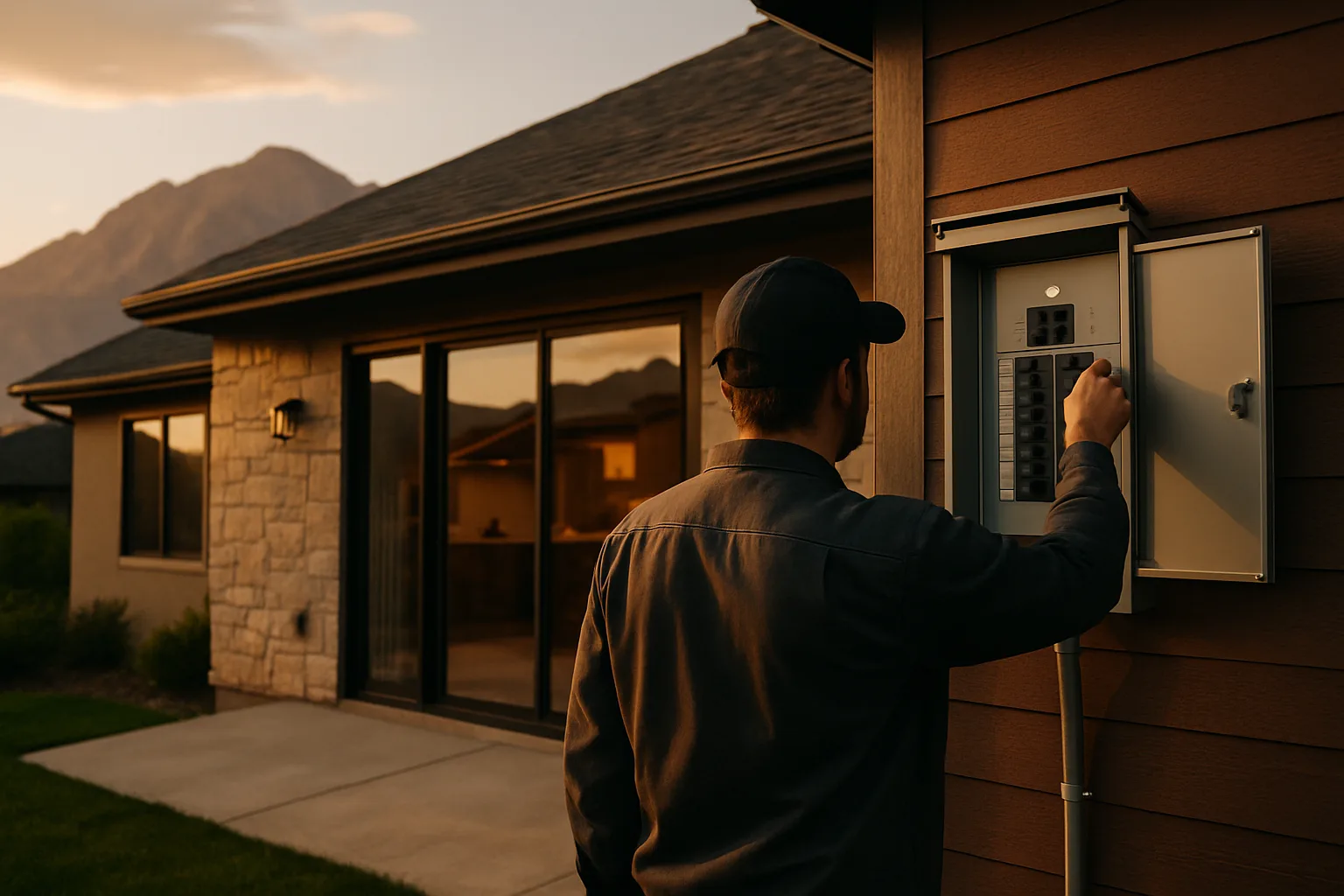
Every modern project starts with the service and main panel. Homes add EV chargers, heat pumps, induction cooking, and smart loads that can strain legacy equipment. A peer-reviewed analysis noted that knowing a panel’s real capacity is central to safe electrification and higher household loads.
Plan the upgrade path before appliances arrive. For homeowners planning projects, coordinate design and permitting with a licensed electrician at a1plus.com to align load calculations with future devices. Map space for additional breakers, reserve conduit for new runs, and verify grounding so expansions are smooth.
Document ratings and clearances in plain language. Label service size, panel model, and spare capacity, so that anyone can find it. Leave a one-page summary that realtors and inspectors can reference quickly.
Circuit Design That Matches Real Life
Circuits should reflect how a home is actually used. Group kitchen loads, separate laundry from general outlets, and give HVAC independent paths. This keeps nuisance trips down and makes troubleshooting faster.
Think in zones. Home offices, workshops, and outdoor living areas often need dedicated circuits and surge protection. Smart receptacles and submetered circuits add visibility without tearing into walls later.
Plan for tomorrow. If an EV charger or sauna might be added, run a spare conduit or install a subpanel with room to grow. These simple moves protect finishes and speed future work.
Safety Features That Protect People And Property
Safety is the first deliverable. GFCI where water is present, AFCI where code requires, and whole-home surge protection for sensitive devices are must-haves. Test and record results before closing any walls.
Grounding and bonding deserve extra attention. Old homes often have mixed materials and legacy splices that weaken fault paths. Correcting these details reduces shock risk and improves breaker performance.
Make labels do real work. Use plain names like “Kitchen Dishwasher” instead of cryptic numbers. Add the date of testing and the technician’s initials so future techs can trust what they see.
Lighting, Controls, And Load Management
Lighting upgrades offer immediate comfort and savings. Pair high-quality LED fixtures with dimmers rated for the technology. Scene control lets mornings, work, and evenings feel tailored without extra wiring.
Managed loads reduce peaks and add resilience. Water heaters, pool pumps, and car charging can shift to off-peak hours. If the grid is stressed, nonessential loads pause and resume automatically.
Keep controls simple. Wall stations should be intuitive and labeled. A homeowner should understand the system without a manual, and a tech should service it without guesswork.
Documentation That Speeds Inspections And Sales
Market-ready homes come with clean paperwork. Keep permits, inspection cards, device cut sheets, and panel schedules in one labeled folder that travels from rough-in to final. Add panel photos and diagrams that match the installation so reviewers can verify details fast.
Create a handover packet. Include breaker schedules, warranty info, and maintenance intervals for detectors, filters, and batteries, plus emergency shutoff locations. A one-page quick-start answers the most common questions and reduces callbacks during the first weeks.
Digital copies help everyone. Store as-builts in a shared drive and link them with a QR code inside the panel door. When sellers or inspectors need proof, they scan once, open the latest files, and finish quickly.
Resilience, Backup, And Future Upgrades
Plan for outages as part of the base scope. Identify critical loads, provide a transfer mechanism, and label the backup panel clearly. Even without batteries, a portable-ready inlet can protect food, refrigeration, and medical devices.
Think storage-ready. Reserve wall space, clearances, and conduits for a future battery or inverter. Pre-running communication lines prevents drywall work down the road.
Build in inspection points. Test ports, labeled junctions, and accessible pull boxes make diagnostics faster. When something changes later, the system welcomes it instead of fighting it.

Safe, market-ready homes are built on clear capacity planning, practical circuit design, and rigorous documentation. When panels, protection, and labeling are handled with care, the rest of the project falls into place.
The upgrades you choose today should welcome tomorrow’s needs. With thoughtful planning, simple controls, and a clean handover, the home stays safe, efficient, and appealing to buyers long after the walkthrough.
Keep reading
More from the blog

Gas Line Installation: What Homeowners Need to Know First
Roof Timeline Guide for Buying an Older Utah Home

How to Choose Windows for a Utah Home With a Mountain View