Essential Repairs Buyers Notice First in Residential Properties
Buying a home is a mix of emotion and checklists. First impressions guide the rest of the tour, so the earliest repair signals carry extra weight. Focus on the fixes buyers notice right away, and you can prevent small flaws from shaping the whole story of the property.
Buying a home is a mix of emotion and checklists. First impressions guide the rest of the tour, so the earliest repair signals carry extra weight. Focus on the fixes buyers notice right away, and you can prevent small flaws from shaping the whole story of the property.
Roof Condition Sets The Tone
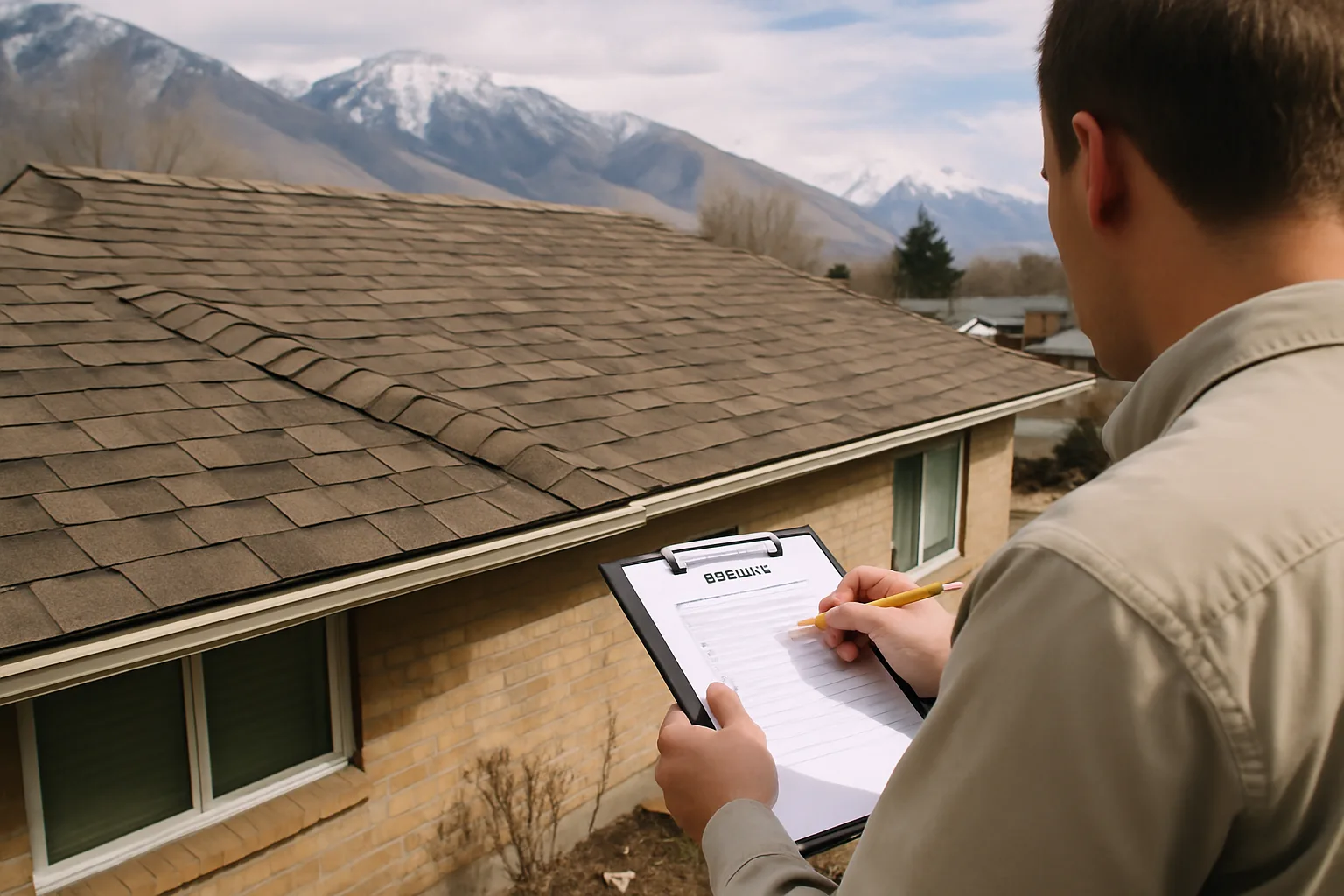
Most buyers look up before they look in. Missing shingles, lifted flashing, or sagging lines tell a story about deferred maintenance and potential leaks. The roof frames expectations for everything that follows and can either calm or raise a buyer’s guard.
Repairs here are not just cosmetic. If you are unsure about age or recent storm wear, talk with licensed roofing contractors to scope the true condition and likely lifespan. A brief professional assessment can keep negotiations focused on facts instead of fear, and it can help you time repairs for the best return.
Industry voices point out that new or well-maintained roofs support value, energy performance, and curb appeal. A recent trade article for Florida agents noted that a roof upgrade often returns more than many interior projects since it instantly reassures buyers at the door.
Exterior And Curb Appeal Signals
Buyers form a mental scorecard the moment they step to the curb. Peeling paint, cracked stucco, rotted trim, or dented gutters suggest bigger issues with water and upkeep. Clean lines, consistent color, and solid edges pull attention to the strengths of the home instead of the flaws.
Landscaping speaks loudly. Overgrown beds, soil touching siding, and downspouts dumping near the foundation hint at water problems. Simple pruning, fresh mulch, and re-angled splash blocks are quick fixes that keep water moving away from the structure.
Research on curb appeal has tied strong first looks to measurable price effects. One university analysis found that homes with high curb appeal sold for about 7% more than similar properties nearby, reinforcing how early impressions can ripple through offers and appraisals.
Water Intrusion And Drainage
Water is the quiet deal breaker. Buyers watch for ceiling stains, bubbled paint, and musty odors near bathrooms, kitchens, and below windows. Even small stains signal risk since the source is often hidden and could be active.
Outside, examine grading, gutters, and downspout extensions. Soil should slope away from the house for at least several feet.
Downspouts need clear paths that do not end at flower beds. French drains, splash blocks, and corrected grading are modest investments that prevent bigger structural and mold issues.
Age And Efficiency Of Major Systems
After the roof and exterior, attention shifts to systems that drive comfort and costs. The age and condition of HVAC units, water heaters, and electrical panels often determine whether a buyer expects near-term expenses. A unit past its typical lifespan reads like a bill waiting to happen.
Small, targeted repairs make a big difference in perception. Replace corroded supply lines, secure loose duct boots, and swap failing breakers with code-compliant models. Keep a maintenance log handy.
When buyers see recent service with dates and receipts, they can picture predictable ownership instead of surprise repairs.
Safety And Structural Clues
Safety issues stop deals. Loose handrails, missing GFCI outlets near water, and wobbly steps turn an otherwise charming home into a liability. These are low-cost fixes that send a strong message about care and compliance.
Structural clues matter, too. Hairline settlement cracks are common, but stair-step cracks across several bricks or widening gaps around doors deserve attention.
If you are unsure, a licensed inspector or structural engineer can separate typical settling from genuine movement so buyers feel confident moving forward.
Quick Fixes That Prevent Bigger Questions
Small details add up to trust. Take care of easy, high-visibility repairs before listing, so buyers do not wonder what else is hiding.
-
Replace cracked switch plates and missing outlet covers
-
Recaulk tubs, showers, and exterior penetrations
-
Adjust sticky doors and misaligned latches
-
Patch nail pops and touch up scuffed baseboards
-
Swap burned-out bulbs and quiet squeaky fans
-
Clean or replace clogged HVAC filters
Lighting, Smells, And Sound
Light reveals the condition. Bright, consistent bulb temperatures make rooms feel bigger and cleaner. Natural light should not be blocked by heavy drapes or shrubs pressed against windows.
Odors cut straight to the buyer's judgment. Address the source rather than masking with sprays. Fix leaks, run exhaust fans, and clean carpets or ducts where needed. Outside, a rattling gate or loose downspout invites scrutiny that could have been avoided with a few screws.
Documentation Buyers Trust
Receipts and permits turn claims into proof. Keep digital copies of roof work, system services, and recent repairs, plus instruction manuals for major appliances.
A simple binder on the kitchen counter reduces back and forth during inspection, and it shows that the home has been managed with care.
If a repair is scheduled but not completed, note the contractor, scope, and date. Clear documentation can be the difference between a price reduction and a credit at closing, since buyers understand exactly what they will inherit.
Good preparation focuses buyers on the home’s strengths instead of its flaws. Tackle the items they notice first, make small fixes that prevent bigger doubts, and gather records that support your story.
Those steps set a confident tone, help inspections go smoother, and keep negotiations centered on value rather than repairs.
Keep reading
More from the blog

Gas Line Installation: What Homeowners Need to Know First
Roof Timeline Guide for Buying an Older Utah Home
How to Choose Windows for a Utah Home With a Mountain View