Pros and Cons of Living in Emigration Canyon, Utah
Emigration Canyon pros and cons: mountain living minutes from Salt Lake City, plus the real issues of water, septic, wildfire risk, schools and prices.
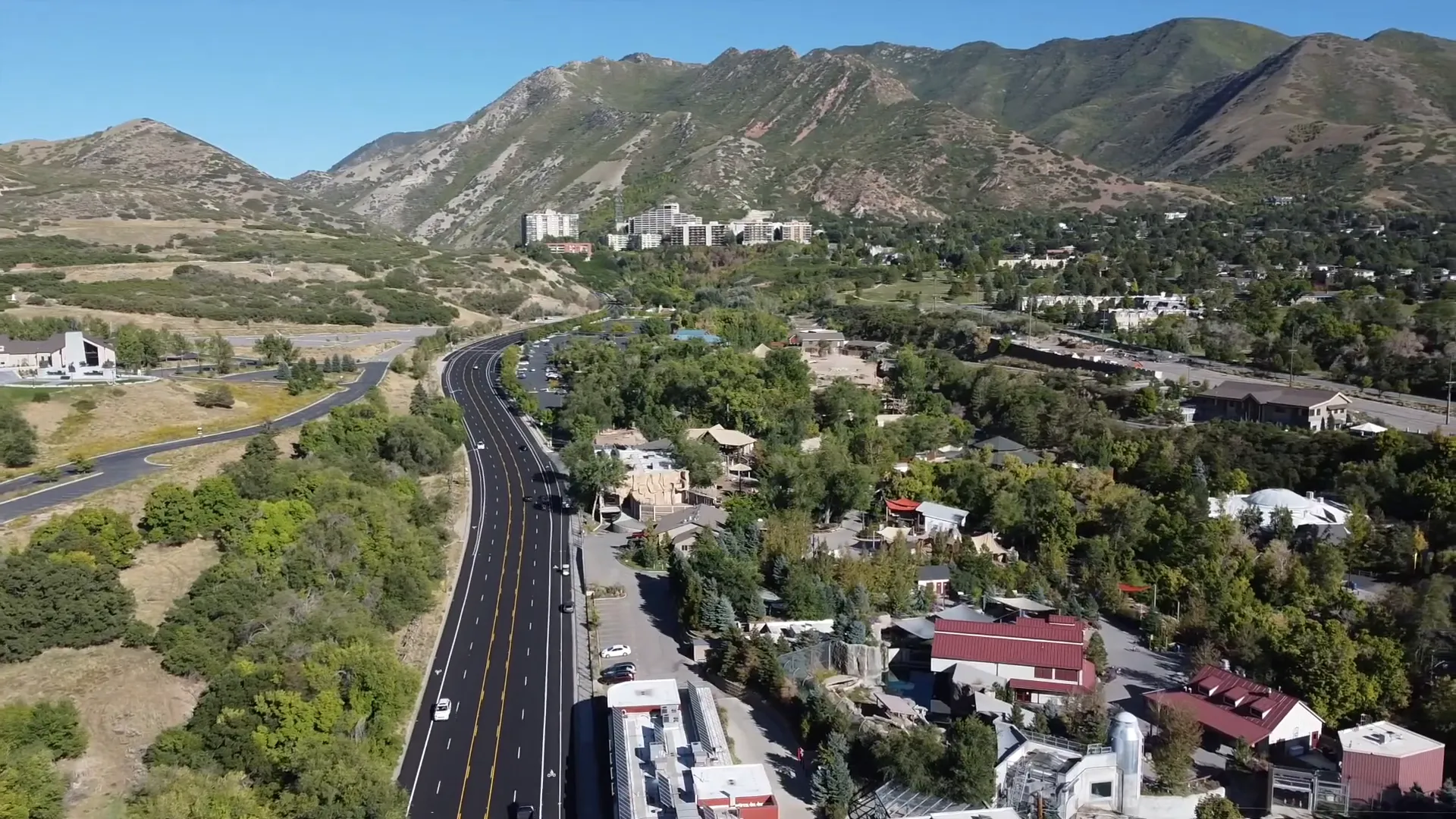
Emigration Canyon is the mountain canyon directly east of Salt Lake City, starting at the mouth by Hogle Zoo and This Is the Place Heritage Park and climbing to Little Mountain Summit. About 1,466 people lived in the canyon at the 2020 Census, most of them in homes set along the canyon road, in Pinecrest and in the Emigration Oaks subdivision. It is one of the few places in the Salt Lake Valley where buyers can live among scrub oak and maples while staying within a short drive of downtown and the University of Utah.
That combination comes with real trade-offs: water, wildfire risk, septic systems and a single winding road. This guide covers both sides, plus home prices, schools, governance and what daily life looks like. To see what is listed now, browse Emigration Canyon homes for sale.
Emigration Canyon at a Glance
- Population: 1,466 (2020 Census)
- Area: about 18 square miles
- ZIP code: 84108
- Government: Emigration Canyon City, incorporated as a city in 2024 (formerly a township and then a metro township)
- Police and fire: Unified Police Department and Unified Fire Authority, with a fire station in the canyon
- Schools: Granite School District
Who Emigration Canyon Is Best For
- Buyers who want a mountain setting without leaving the Salt Lake Valley
- Road cyclists, trail runners and hikers who want to start workouts from home
- University of Utah and downtown workers who want a short, scenic commute
- Buyers who value privacy and larger, wooded lots over walkability
The canyon is a weaker fit for buyers who want sidewalks, nearby stores, city sewer and water at every address, or low wildfire exposure.
History in Every Mile
Emigration Canyon carries a big piece of Utah history. The Donner Party came down the canyon in 1846 on the Hastings Cutoff, and the first Latter-day Saint pioneers followed the same route into the Salt Lake Valley in 1847. Part of the canyon was designated a National Historic Landmark in 1961. At the mouth, This Is the Place Heritage Park marks the spot where the pioneers first looked over the valley. The canyon has its own landmarks too: Ruth's Diner, which started as a downtown hamburger stand in 1930 and moved to the canyon in a trolley car in 1949, and Camp Kostopulos, a camp for children and adults with disabilities founded in 1967.
Pros of Living in Emigration Canyon
1. Mountain Living Minutes From the City
The canyon mouth sits at the east edge of Salt Lake City, next to Hogle Zoo. Depending on where a home sits in the canyon, downtown and the University of Utah are typically 15 to 30 minutes away. Few areas in Utah put this much open land this close to the state's largest job center.
2. Outdoor Recreation From the Driveway
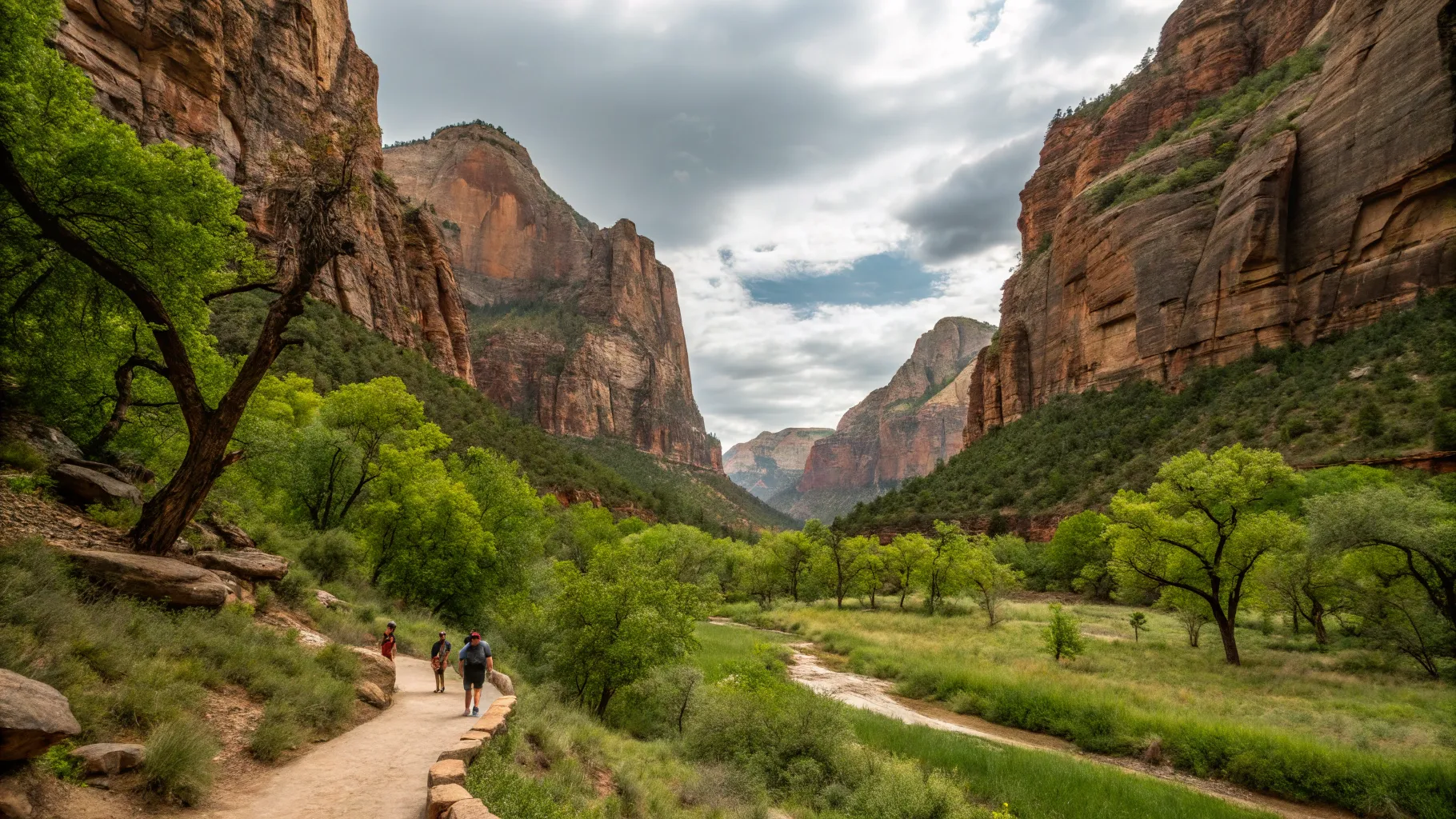
Emigration Canyon Road is one of the most popular road-cycling climbs in Utah: about 7.7 miles at an average grade of roughly 5 percent from the zoo to Little Mountain Summit. From the summit, riders continue past Little Dell Reservoir toward Big Mountain Pass. Hikers and mountain bikers use the Killyon Canyon trail from Pinecrest, a route toward Lookout Peak, and much of the surrounding land is national forest. On July 24, the Deseret News Marathon runs down the canyon from Big Mountain Pass. For more ideas, see things to do in Emigration Canyon.
3. Privacy, Trees and Larger Lots
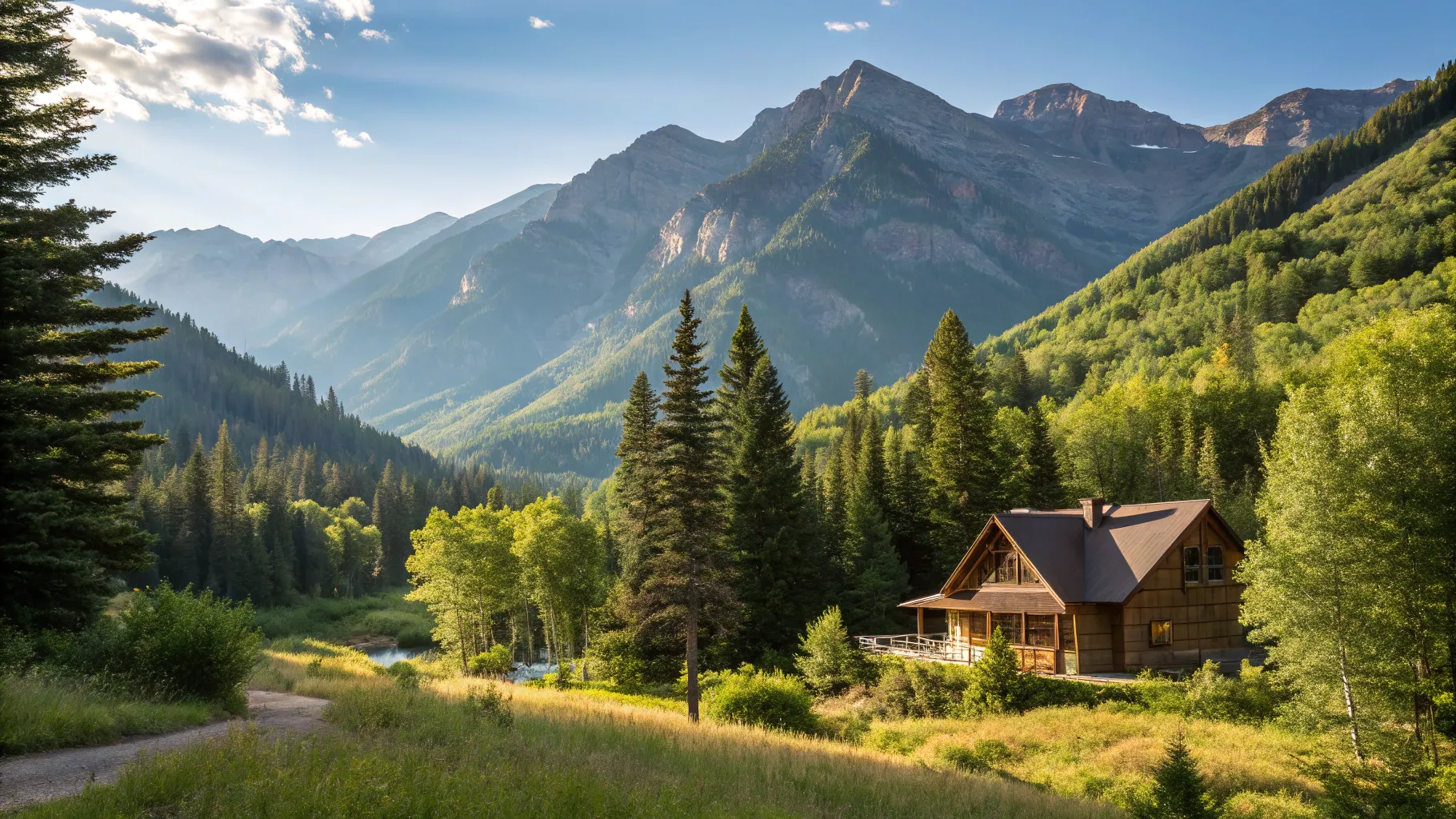
Many canyon homes sit on wooded lots with more space between neighbors than typical Salt Lake City neighborhoods offer. Views, fall color and wildlife are part of daily life. Buyers can narrow a search to Emigration Canyon homes with views or larger parcels.
4. Its Own Small City
Residents have their own city council and planning commission, so local land-use decisions are made in the canyon. Municipal services come through the Greater Salt Lake Municipal Services District, police service from the Unified Police Department and fire protection from Unified Fire's station on Emigration Canyon Road.
Cons of Living in Emigration Canyon
1. Water Is a Real Question
Water service varies by address. The Emigration Improvement District was formed in 1968, when private wells and springs were the only water sources, and it now serves part of the canyon from deep wells and storage tanks. Many other homes still rely on private wells. The district has reported low-water years, and buyers should review well records, water rights and water testing before buying.
2. Septic Systems, Not Sewer
There is no canyon-wide sewer system, so most homes use septic. Failing septic systems have been studied as a possible source of E. coli in Emigration Creek. A septic inspection should be part of every purchase, and buyers should ask about the age and permit history of the system.
3. Wildfire Risk
Utah's wildfire risk mapping rates Emigration Canyon as high-risk wildland-urban interface. A July 2019 fire near Pinecrest forced evacuations, and fire crews noted how difficult access can be in the canyon. Buyers should ask about defensible space, roof materials and insurance costs early, since coverage can be harder to find and more expensive in fire-prone areas.
4. Few Services in the Canyon
Apart from Ruth's Diner, there is almost no commercial space in the canyon. Groceries, schools, gas and nearly every errand mean a drive down to the valley. Delivery and service calls can take longer than in town.
5. One Main Road and Winter Driving
Emigration Canyon Road is the main route in and out. Winter storms make the upper canyon slower, and summer weekends bring heavy bicycle traffic that drivers need to share the road with. Homes on steep private drives need a plan for snow removal.
6. A Small, Spread-Out Community
Because homes are spread out along the canyon, neighbors can feel farther apart than in a city subdivision. Some residents love that; others find it isolating, especially when working from home.
Emigration Canyon Home Prices
Homes come up for sale in the canyon only a handful of times a year, and they typically sell for well above the Salt Lake City median, reflecting larger lots, views and custom construction. With so few sales, prices vary widely from cabin-style homes to large custom builds. Some canyon homes are listed under a Salt Lake City address, so it helps to search both. Current numbers:
- Homes listed in Emigration Canyon right now: 2
- Median list price of active homes in Salt Lake City, for comparison: $569,900
Buyers can also browse the Emigration Oaks neighborhood page or luxury homes in Emigration Canyon.
Schools
Emigration Canyon is in the Granite School District, not the Salt Lake City School District. Eastwood Elementary's boundary extends into the canyon, and students typically continue to Churchill Junior High and Skyline High. Granite studied closing Eastwood but suspended that study in December 2025. School assignments can change, so families should confirm boundaries for a specific address with the district.
Healthcare and Daily Errands
The canyon has no medical facilities, but University of Utah Hospital is close to the canyon mouth on the east bench, and the rest of Salt Lake City's hospitals and clinics are a short drive away. Grocery stores and shopping are in the nearby Foothill and east bench areas of Salt Lake City.
The Real Trade-Off
What buyers get: a mountain setting, privacy, outdoor recreation and history, all within a short drive of downtown.
What buyers give up: city water and sewer at many addresses, low wildfire exposure, easy winter driving and anything within walking distance.
Common Mistakes Buyers Make Before Moving to Emigration Canyon
- Skipping well and water-rights review on homes not served by the improvement district.
- Not inspecting the septic system and checking its permit history.
- Getting insurance quotes too late in a high wildfire-risk area.
- Underestimating winter on steep driveways in the upper canyon.
- Assuming Salt Lake City schools when the canyon is served by Granite School District.
- Searching only one city name, since some canyon homes are listed under Salt Lake City.
Is Emigration Canyon a Good Place to Live?
Emigration Canyon works well for:
- Buyers who want mountain living close to downtown and the university
- Cyclists, hikers and trail runners
- Anyone who values privacy and room over walkability
Emigration Canyon is less ideal for:
- Buyers who want city water and sewer with no questions
- Anyone uneasy about wildfire risk or winter canyon driving
- People who want stores and neighbors close by
Bottom Line
Emigration Canyon offers something rare in the Salt Lake Valley: real canyon living, a short drive from the city. The buyers who are happiest there do their homework on water, septic, wildfire and insurance before they buy. To compare with in-town options, see homes for sale in Salt Lake City, or contact Best Utah Real Estate for help with canyon listings.
Posted by Kristopher Larson
Frequently asked questions
Is Emigration Canyon part of Salt Lake City?
No. Emigration Canyon is its own city. It became a township in 1997, later a metro township, and incorporated as Emigration Canyon City in 2024. Its ZIP code is 84108, and some homes are still listed under a Salt Lake City address, but the canyon has its own city council. Hogle Zoo at the canyon mouth is inside Salt Lake City limits.
How many people live in Emigration Canyon?
Emigration Canyon had 1,466 residents at the 2020 Census, spread across about 18 square miles along the canyon road, in Pinecrest and in the Emigration Oaks subdivision.
How far is Emigration Canyon from downtown Salt Lake City?
The canyon mouth is at the east edge of Salt Lake City next to Hogle Zoo and This Is the Place Heritage Park. Depending on where a home sits in the canyon, downtown and the University of Utah are typically 15 to 30 minutes away.
What schools serve Emigration Canyon?
Emigration Canyon is in the Granite School District. Eastwood Elementary's boundary extends into the canyon, and students typically continue to Churchill Junior High and Skyline High. Families should confirm assignments for a specific address with the district.
Do homes in Emigration Canyon have city water and sewer?
Not all of them. The Emigration Improvement District supplies water to part of the canyon, while many homes rely on private wells. There is no canyon-wide sewer, so most homes use septic systems. Buyers should review well records, water rights and septic inspections before purchasing.
What is Emigration Canyon known for?
Emigration Canyon is the route the Donner Party took in 1846 and the first Latter-day Saint pioneers followed in 1847. Today it is known for the popular road-cycling climb to Little Mountain Summit, Ruth's Diner, hiking on the Killyon Canyon trail and This Is the Place Heritage Park at the canyon mouth.
Keep reading
More from the blog
Beyond the Main Canyon: Lesser-Known Spots Near Zion National Park
Kayenta Art Village in Ivins: Galleries, Festivals and Living Nearby
New Trails Around St. George: Cliffrose, the Zion Corridor Trail and More