
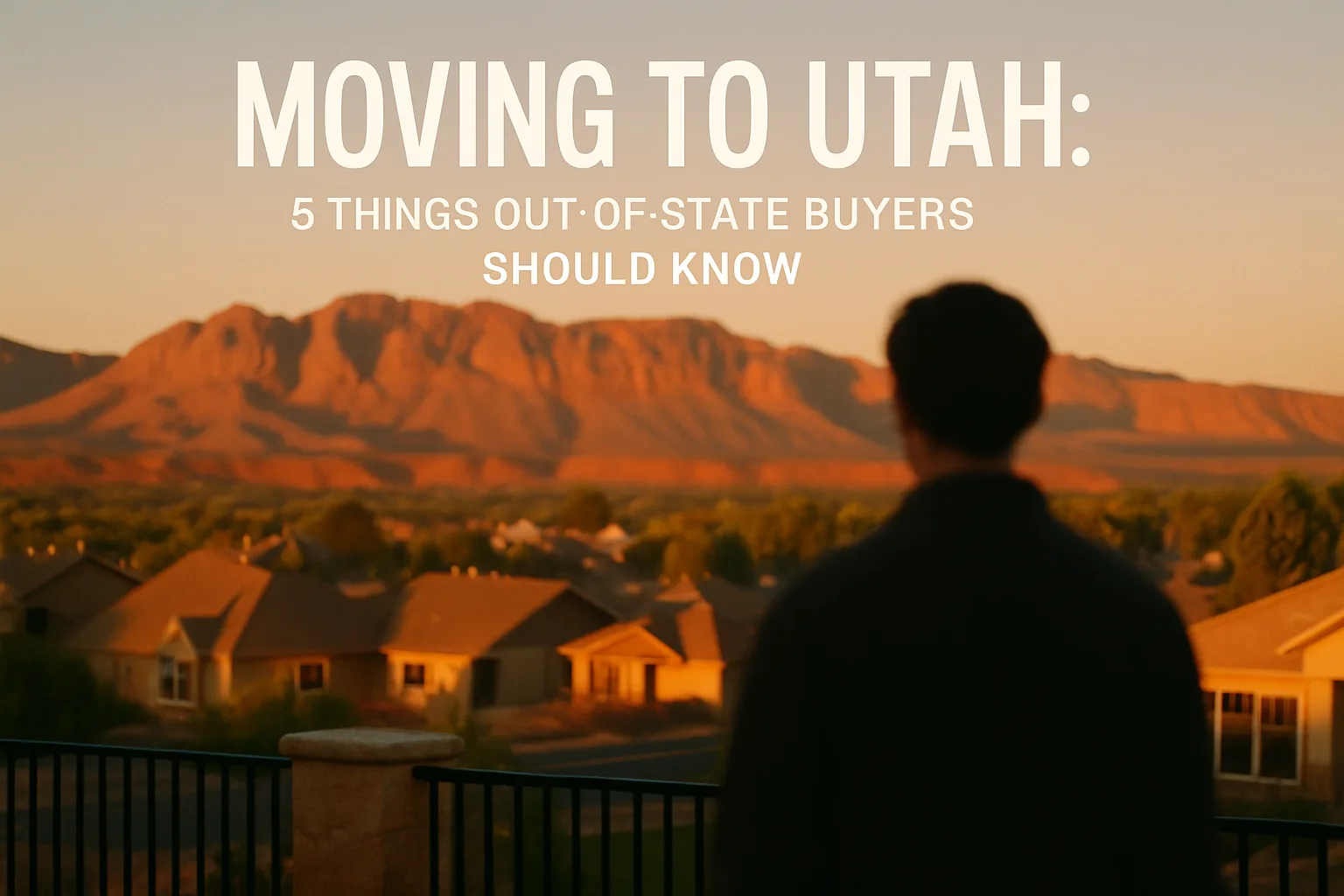
5 Things Out-of-State Buyers Should Know Before Moving to Utah
Learn five key facts out-of-state buyers should know before choosing Utah neighborhoods. Read now to avoid costly surprises and move with confidence!
Moving to Utah from another state can feel exciting right up until the logistics hit. You are choosing more than a house. You are choosing costs, environment, lifestyle pace, and long-term fit. The Utah real estate market offers strong upside, but out-of-state buyers do better when they understand the realities behind the postcard version.
This guide covers five facts that shape real outcomes for buyers. If you are researching neighborhoods and comparing timelines, treat this as your pre-move context map. Many families move for education, and students often look for a professional essay writing service during relocation periods, when new schools, tighter deadlines, and academic pressure collide. A careful plan helps you protect both housing decisions and academic stability during the transition.
The goal is simple: fewer surprises after closing.
-
Property Taxes Are Low, but Home Prices Are Climbing Fast
One of the first things buyers notice is that Utah property taxes can look relatively manageable compared with some coastal states. That sounds like instant relief, but the bigger pressure point is purchase price. In many areas, appreciation over recent years has changed what entry-level and mid-range homes cost.
So yes, taxes may feel lighter, but the Utah housing market still demands strong planning. Monthly affordability depends on far more than tax rates. Insurance, utilities, HOA dues, commuting costs, and maintenance can quickly offset any tax advantage if you buy at the top of your comfort range.
For out-of-state buyers, this creates a common trap: feeling financially safe because one line item is lower. The smarter view is full monthly burden, not one favorable metric.
Use this lens before making offers:
-
Total monthly payment, including non-mortgage housing costs
-
Neighborhood-level price trends, not just metro averages
-
Resale flexibility if job or family plans shift in 2-4 years
Lower taxes can help, but they do not erase pricing pressure.
-
The Great Salt Lake's Decline Affects More Than the Scenery
Many buyers see photos of the Great Salt Lake and think only in visual terms. The reality is broader. The lake's decline has become an environmental and public-health discussion that can influence air quality and long-term regional planning priorities.
For buyers, this matters because environmental change can shape the quality of life and local policy decisions over time. It can also influence how communities think about infrastructure, water use, and growth management. None of this means panic, but it does mean awareness.
This is a key part of the pros and cons of living in Utah that out-of-state buyers often miss during the excitement phase. You are entering a place with beautiful natural assets and real ecological pressures happening at the same time.
If you plan to stay long term, include environmental context in your due diligence. It is part of buying responsibly, especially for families thinking in 10-year horizons.
-
Relocating to Utah Means Adjusting to 4,500-Foot Elevation
Many Utah communities sit at elevations that new residents feel right away. Headaches, quicker fatigue during exercise, dry skin, and hydration issues are common in the first weeks. This adjustment is usually manageable, but it is real, and it affects daily comfort during the transition.
For anyone moving to Utah, altitude adaptation deserves a place on the move plan, especially if you are also handling work onboarding, school enrollment, and home setup at the same time. Climate and elevation together can make your first month feel harder than expected if you treat them like minor details.
This ties directly to the Utah climate conversation. Dry air and seasonal variation can intensify the adjustment period for new arrivals. Homes with good humidity control, strong insulation, and efficient HVAC systems can make a noticeable difference in comfort.
A smoother transition usually comes from pacing yourself early rather than trying to run full speed in week one.

-
Outdoor Rec Culture Makes Living in Utah Feel Like a Permanent Vacation
Utah's outdoor culture is not just tourism branding. It affects real life, social patterns, and even how people schedule their weeks. Hiking, skiing, biking, climbing, and weekend road trips are deeply normalized in many communities. For some buyers, this becomes a major quality-of-life upgrade.
For others, it can create a subtle mismatch if they expected a slower suburban rhythm and find highly active local norms instead. That is why understanding daily culture matters as much as understanding square footage.
In many areas, recreation is woven into identity, not treated as an occasional hobby. Access to nature can boost mental health, family time, and routine joy, but only if your location and schedule make it practical.
Before buying, test your likely weekly pattern:
-
How long does it take to reach the places you actually use
-
What traffic looks like on weekends and holidays
-
Whether your work hours align with your outdoor goals
Lifestyle fit is a major predictor of move satisfaction.
-
Public Schools Rank High Despite the Lowest Per-Pupil Spending in the Nation
School conversations in Utah can surprise out-of-state buyers. The state is often discussed for strong educational outcomes in many districts, while also being known for relatively low per-pupil spending compared with national benchmarks. That combination makes school research essential at the district and neighborhood level.
Do not assume statewide narratives will match your target zone. Performance, program quality, class size, extracurricular options, and support services vary across boundaries. If schools matter to your purchase, school-zone accuracy should be treated as a core purchase criterion, not a late-stage check.
This issue also intersects with the cost of living in Utah. Homes tied to sought-after school zones can carry premiums, which changes long-term affordability and resale behavior.
The right move is data plus ground truth: review district information, then visit neighborhoods in person to verify fit.
What to Do With These Five Realities
Utah can be a strong move for out-of-state buyers, but success depends on context, not hype. These five realities shape what your life will feel like after the boxes are unpacked: pricing pressure, environmental change, elevation adjustment, recreation-driven culture, and school-zone differences.
When you evaluate homes through those five lenses, decisions get clearer. You buy with fewer assumptions, a stronger budget framework, and a better match for your day-to-day life. That is what turns a stressful relocation into a move you feel good about long after closing.
Keep reading
More from the blog

Gas Line Installation: What Homeowners Need to Know First
Roof Timeline Guide for Buying an Older Utah Home
How to Choose Windows for a Utah Home With a Mountain View