Pros and Cons of Living in Hurricane, Utah
Hurricane, Utah pros and cons: Sand Hollow, Zion access and bigger lots, versus flood risk, rental limits and the drive to St. George.
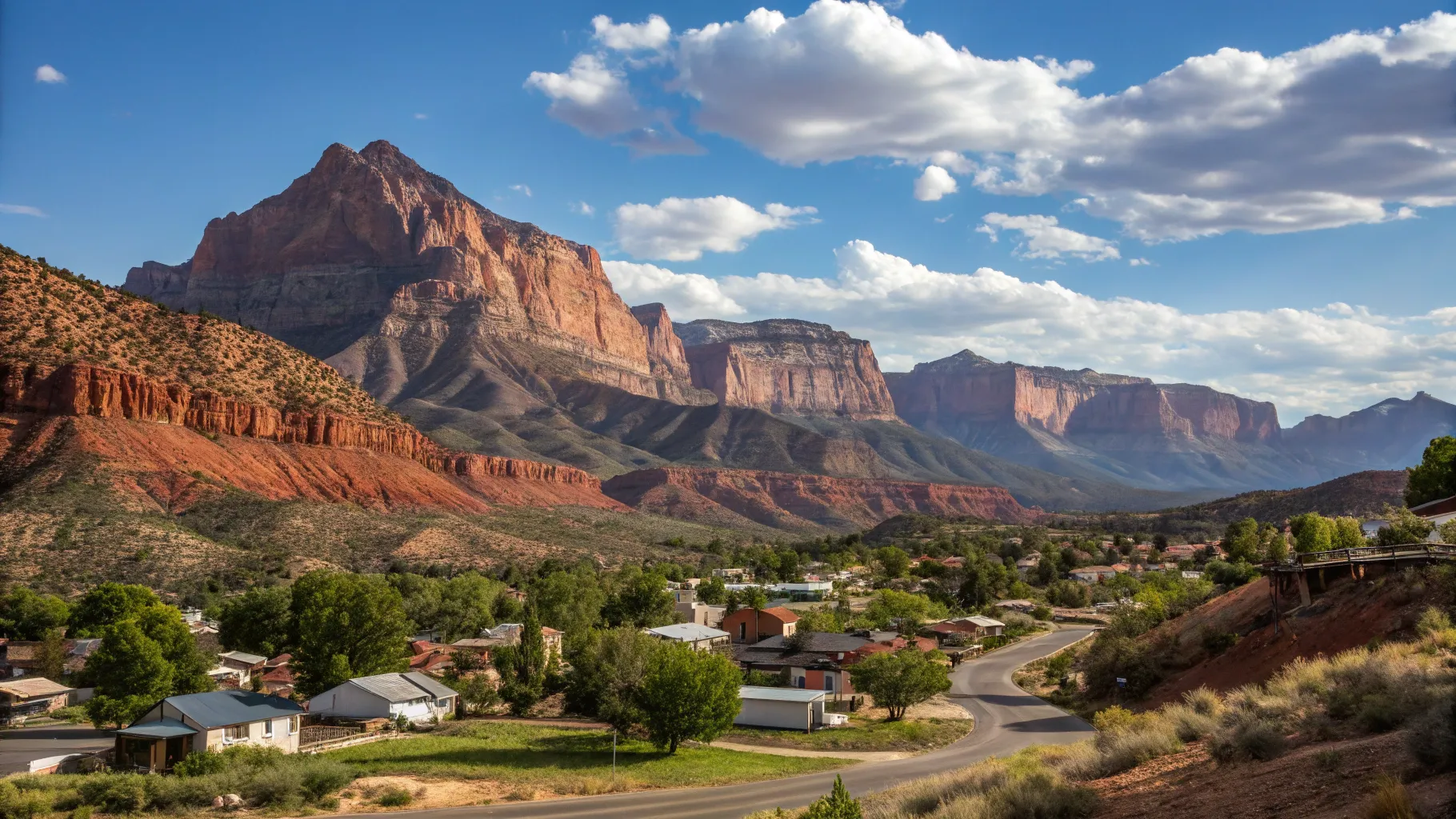
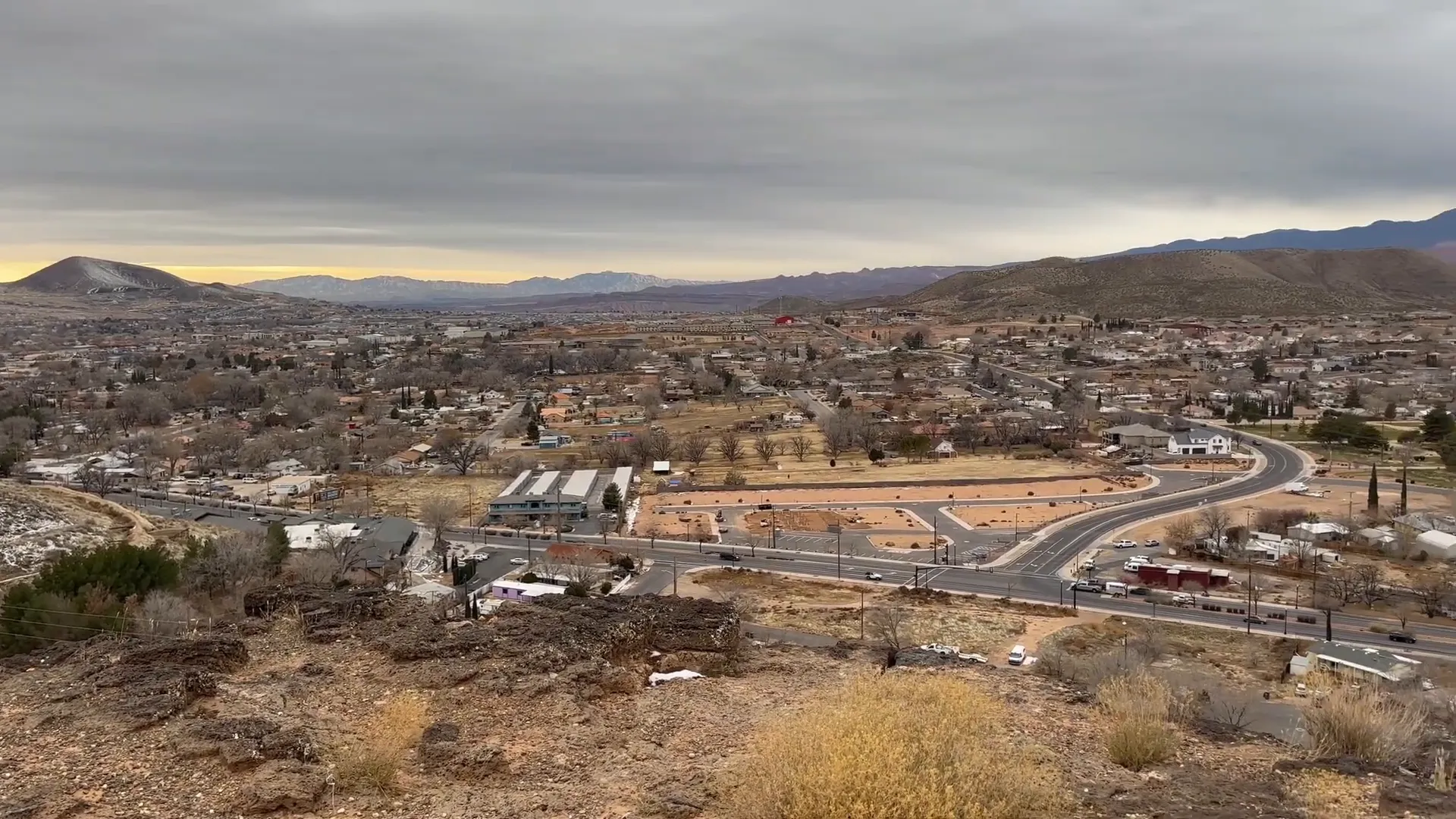
Hurricane sits where I-15 meets State Route 9, northeast of St. George on the road to Zion National Park. It mixes an older farm-town core along State Street with some of the newest construction in Southern Utah around Sand Hollow, and it's one of the main places buyers look when they want more room than a typical St. George lot. You can browse every Hurricane home for sale to see what's listed right now.
Hurricane also has real trade-offs: the drive to St. George, desert heat, flash-flood risk in some neighborhoods, and strict limits on nightly rentals. Here's what buyers should weigh on both sides.
Hurricane at a Glance
- Population: 23,959 (U.S. Census Bureau estimate for July 2023), up from 20,036 in the 2020 census.
- Location: off I-15 exit 16 on State Route 9, northeast of St. George and about half an hour from Zion's south entrance in Springdale.
- Market: median sale price of $539,495, 478 active listings, and a typical 77 days on market.
- Schools: Washington County School District.
Who Hurricane Is Best For
- Buyers who want a bigger lot, RV parking or a shop at prices similar to St. George
- Off-roaders, boaters and anglers who want Sand Hollow and Sand Mountain close by
- Hikers and climbers who want Zion within a short drive
- Buyers who prefer an older home on a street with no HOA
- Golfers looking at Sky Mountain or Sand Hollow Resort
Hurricane is a weaker fit for buyers who commute daily to central St. George and want a short drive, need to be near the main hospital, or plan to buy a house and rent it by the night.
The Pros of Living in Hurricane
Bigger lots and room for toys
Hurricane isn't cheaper than St. George across the board. In recent MLS sales, single-family homes in the two cities have sold at similar median prices. The difference is the land: Hurricane lots tend to run larger, and much of its new construction is built around oversized garages and RV parking for boats, trailers and side-by-sides. Browse Hurricane homes with RV garages.
Recreation in every direction
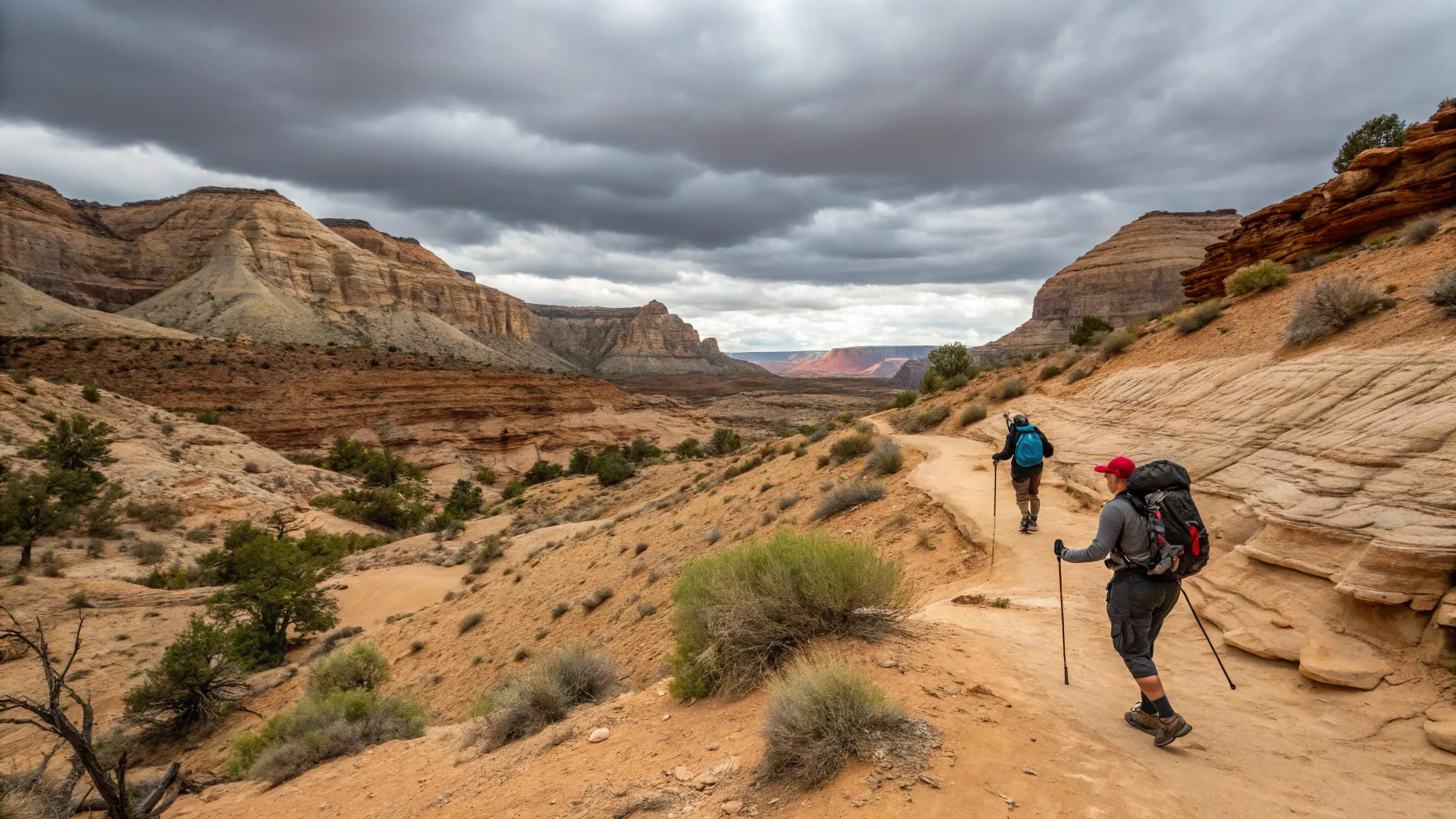
Sand Hollow State Park sits on Hurricane's south side, with a reservoir for boating and paddleboarding and Sand Mountain's dunes for off-highway vehicles. Zion National Park is about half an hour east on State Route 9, and Quail Creek State Park is just west of town. More detail is in this guide to Sand Hollow State Park.
A real mix of homes and neighborhoods
Few towns in the area cover this much range. The blocks around State Street and Main Street, Hurricane's original center, have older ramblers, mature trees, detached garages and lots with no HOA (see Hurricane homes with no HOA). A few minutes south, the Sand Hollow area has new subdivisions, resort communities and golf. Southern Shores, a gated community of 56 custom home sites, is built around private lakes for wakeboarding and wake surfing.
Two golf communities
Sky Mountain and Sand Hollow Resort both have golf courses inside Hurricane, with homes on or near the fairways. See current Hurricane golf course homes.
Everyday services in town
Hurricane has its own grocery stores, a Walmart, hardware stores, restaurants and small local businesses along State Street, plus an Intermountain InstaCare for walk-in urgent care. Most routine errands don't require a trip to St. George.
The Cons of Living in Hurricane
Distance from St. George
Many Hurricane residents work in St. George, and Intermountain St. George Regional Hospital, the area's main hospital, is there too. Depending on the neighborhood, plan on roughly 20 to 30 minutes each way. Buyers who want everything close should compare central St. George.
Flash-flood risk in some neighborhoods
On August 14, 2026, a storm sent floodwater down Gould's Wash, the drainage below Three Falls, and into Hurricane, leaving the Pecan Townhomes area knee-deep in water. News coverage afterward reported that many affected residents didn't carry flood insurance. The city cleared debris from the wash's bridge structures and has a long-term plan for a $67 million detention basin on the east bench, though no timeline has been set. Low areas near the Virgin River also carry flood-zone designations.
Before buying, check the address on the FEMA Flood Map Service Center, ask the seller about past water problems, and get a flood-insurance quote even if the lender doesn't require one.
Nightly rentals are capped
Being near Zion doesn't make every Hurricane home a legal vacation rental. Under Hurricane's short-term rental ordinance, every short-term rental needs a city business license. In single-family zones, licenses are capped at three per 1,000 residents, rentals must be at least 300 feet apart, and an owner can hold only one. Once the cap is reached, new applicants go on a waiting list. Most important for buyers, the license doesn't carry over in a sale: a new owner has 45 days to apply for a new one or it's forfeited. Recreation resort zones follow different rules, so confirm the zoning for a specific address with the city.
Summer heat and tourist traffic
Summer highs regularly top 100°F. State Route 9 also carries much of Zion's visitor traffic, so the main road through town gets busy in spring, summer and fall.
Ongoing growth
Hurricane has grown by thousands of residents since 2020, and more subdivisions are planned, especially around Sand Hollow. An empty lot next door today may not stay empty, and newer neighborhoods can mean several years of nearby construction.
Hurricane Weather and Snow
Hurricane sits at roughly 3,200 feet, a few hundred feet higher than St. George, so it runs a few degrees cooler but has the same desert climate:
- Summer: July highs average in the high 90s and often pass 100°F, with lows in the 60s.
- Winter: January highs average in the low 50s, and nights regularly drop below freezing.
- Snow: it does snow, but rarely much. St. George's long-term weather record averages about 3 inches a year, and Hurricane gets similar light amounts that usually melt within a day. The mountains toward Zion and Pine Valley get far more.
- Rain and wind: about 11 inches of precipitation a year, with summer monsoon storms and occasional strong afternoon wind.
Hurricane weather by month
Long-term averages from the La Verkin weather station, which sits right next to Hurricane at a similar elevation (Western Regional Climate Center, 1950 to 2016):
| Month | Avg. high | Avg. low | Precipitation |
|---|---|---|---|
| January | 53°F | 27°F | 1.3 in. |
| February | 59°F | 31°F | 1.5 in. |
| March | 66°F | 37°F | 1.5 in. |
| April | 74°F | 42°F | 0.8 in. |
| May | 84°F | 50°F | 0.5 in. |
| June | 94°F | 58°F | 0.3 in. |
| July | 99°F | 65°F | 0.7 in. |
| August | 97°F | 64°F | 0.9 in. |
| September | 90°F | 56°F | 0.8 in. |
| October | 78°F | 45°F | 0.8 in. |
| November | 63°F | 33°F | 1.0 in. |
| December | 54°F | 27°F | 1.0 in. |
Spring and fall are the most comfortable seasons, and they're also when trail and park traffic peaks. June through September is the time to plan outdoor work and hikes for early morning.
What Homes Cost in Hurricane
Hurricane's latest monthly numbers: a median sale price of $539,495, homes selling at 99.1% of list price, and 478 homes on the market. Current listings break down roughly like this:
- Under $450,000: about a quarter of listings, roughly half of them townhomes and condos. See Hurricane homes under $500K.
- $450,000 to $650,000: the largest group, mostly single-family homes, from older homes to entry-level new construction.
- $650,000 to $900,000: larger single-family homes, often with bigger garages, RV parking or more lot.
- $900,000 and up: about one in five listings, including golf, resort and custom homes.
For monthly trends, see the Hurricane market stats page.
Hurricane Neighborhoods to Know
- Dixie Springs: the largest subdivision in town, near Sand Hollow, with many homes built for trailers and toys.
- Sand Hollow Resort: a golf and resort community on the south end, near the reservoir.
- Sand Hollow Village: another of the larger communities near the reservoir.
- Sky Mountain: homes around the Sky Mountain golf course.
- Sky Ridge, Firerock, Coral Springs and Zion Vista: some of the most active subdivisions for resales.
- Around State Street and Main Street: Hurricane's original neighborhoods, with older homes, mature landscaping and fewer HOAs. Older homes here are worth a careful inspection of the roof, HVAC and electrical.
Schools
Hurricane is part of the Washington County School District, which splits grades into elementary, intermediate (6 and 7), middle (8 and 9) and high school (10 through 12). Local schools include Hurricane, Three Falls and Coral Cliffs elementary schools, Hurricane Intermediate, Hurricane Middle and Hurricane High. Families should confirm the assigned schools for a specific address with the district.
Is Hurricane a Good Place to Live?
Hurricane works well for:
- Buyers who want a bigger lot and room for RVs, trailers and toys
- Outdoor and off-road households who want Sand Hollow and Zion close by
- Buyers who want a choice between older no-HOA homes and new construction
Hurricane is less ideal for:
- Daily commuters who want a short drive to central St. George
- Investors counting on a nightly-rental license
- Buyers who aren't prepared to check flood risk on a specific property
Bottom Line
Hurricane gives buyers bigger lots, room for toys and some of the best recreation access in the region, at prices similar to St. George. The trade is a longer drive, summer heat and a few things that need checking before an offer: flood risk, HOA and rental rules, and the condition of older homes. For a side-by-side look at the two cities, see St. George vs. Hurricane. Buyers also weighing the towns next door can read this guide to Hurricane, La Verkin and Toquerville. Current owners can get a free home valuation before shopping. For help narrowing down neighborhoods, contact Best Utah Real Estate.
Posted by Kristopher Larson
Frequently asked questions
Is Hurricane, Utah a good place to live?
For buyers who want room for RVs and toys and quick access to Sand Hollow and Zion, yes. Hurricane homes sell at prices similar to St. George, but lots tend to run larger. The trade-offs are a 20- to 30-minute drive to St. George, summer heat, flash-flood risk in some low areas, and limited nightly-rental licenses.
How much do homes cost in Hurricane?
The latest median sale price in Hurricane is $539,495, with 478 homes for sale and a typical 77 days on market. Listings range from townhomes under $450,000 to golf and custom homes above $900,000.
Can I use a Hurricane home as a short-term rental?
Only with a city short-term rental license. In single-family zones, Hurricane caps licenses at three per 1,000 residents, requires 300 feet between rentals and allows one license per owner, with a waiting list once the cap is reached. A license doesn't transfer in a sale: a new owner has 45 days to apply or it's forfeited.
Does Hurricane, Utah flood?
Some areas can. In August 2026, floodwater from Gould's Wash below Three Falls flooded the Pecan Townhomes area, and low areas near the Virgin River carry flood-zone designations. Buyers should check the address on FEMA's flood maps, ask the seller about past water problems, and get a flood-insurance quote.
How far is Hurricane from St. George and Zion?
Hurricane is off I-15 exit 16, northeast of St. George, and most drives into St. George take roughly 20 to 30 minutes depending on the neighborhood. Zion National Park's south entrance in Springdale is about half an hour east on State Route 9.
What schools serve Hurricane?
Hurricane is part of the Washington County School District. Local schools include Hurricane, Three Falls and Coral Cliffs elementary schools, Hurricane Intermediate (grades 6 and 7), Hurricane Middle (grades 8 and 9) and Hurricane High. Confirm the assigned schools for a specific address with the district.
Does it snow in Hurricane, Utah?
Occasionally. St. George's long-term weather record averages about 3 inches of snow a year, and Hurricane, a few hundred feet higher, gets similar light amounts, usually in storms that melt within a day. Winter nights often drop below freezing, while January days average in the low 50s.
How many people live in Hurricane, Utah?
Hurricane had an estimated 23,959 residents in July 2023, according to the U.S. Census Bureau, up from 20,036 in the 2020 census. New subdivisions around Sand Hollow continue to add residents.
Hurricane, Utah housing market
A quick read on what homes are doing in Hurricane right now — pulled live from the MLS.
Keep reading
More from the blog

GE Opal 2.0 Ultra vs. Typhur vs. Kismile vs. Frigidaire: 12 Countertop Ice Makers Measured

Utah HOA Rules That Surprise Buyers in 2026 and What State Law Won't Let HOAs Ban

Laser vs. Ink Tank Printer for Home: Brother HL-L2480DW vs. Epson EcoTank ET-2800 and ET-2980