
How Commercial Landlords Can Monetize Rooftop Solar Systems
Key takeaways
-
You can use underutilized rooftop space for predictable revenue with the appropriate structure.
-
Your lease agreements, your financing agreements, your solar agreements they need to play nice with each other, not fight each other.
-
Smart application of data, incentives and tenant needs can help to make solar a leasing win.
-
Handled well solar can increase the value of property while helping to underpin your sustainability and ESG story.
Why Rooftop Solar Is Important To Commercial Landlords In 2025 And Beyond
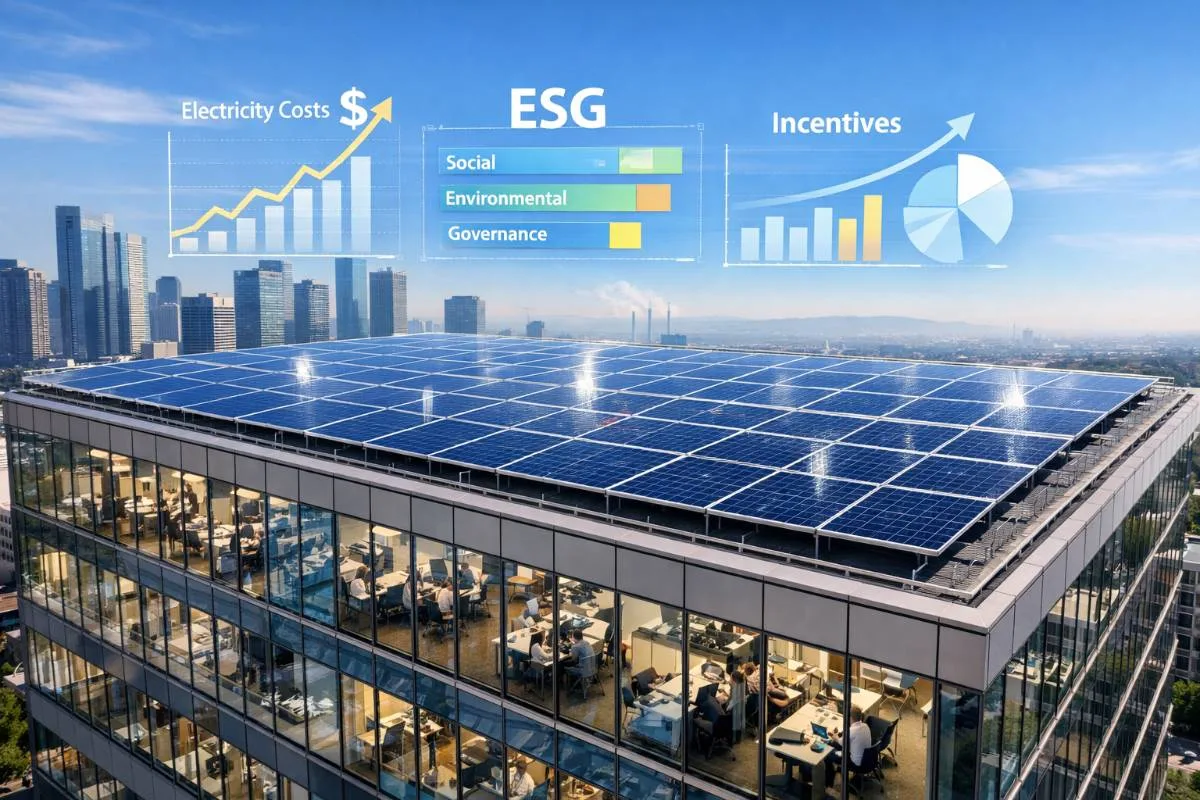
If you have commercial properties, you have the feeling of energy costs slipping into every conversation.
So it's in the U.S., commercial electricity prices have surged, anywhere from 15 to 20 percent, depending on region, over the past decade. That strikes your tenant operating budgets and too, indirectly, rent negotiations. At the same time, an increasing number of large tenants are publishing ESG reports and net zero targets. Many are now putting buildings on the shortlist that can demonstrate real solar energy, or renewable energy on-site, not just recycling bins in the lobby.
On the supply side federal incentives under the Inflation Reduction Act drove commercial solar that way by sharply upward. Analysts anticipate commercial and industrial capacity to continue to grow until 2030. So your competitors aren't just painting lobbies. What they are doing is they are turning the roof into an energy platform.
The issue is whether your rooftop remains unused or becomes an asset for generating revenue.
Core Methods of Commercial Landlords to Profit from Roof Installations
You actually have four major avenues.
First of all you can own the solar system yourself. I worked with an owner of a 200,000 square foot warehouse who not only installed solar panels, but he also sold power to tenants at a discount to the grid and he cleared out six figures a year in spreads. They treated it just like another small anchor tenant.

Second, you can sign your roof lease with a solar developer. They pay you a fixed or escalating rent for rooftop space, take the initiative of installing the solar and you get to just focus on predictable income.
Third, there is the option of entering into a power purchase agreement where the developer owns the solar project and you or your tenants purchase solar energy over time. Less up front costs, more contract reading.
The U.S. Department of Energy's Guide to Community Solar offers you a good source that you can reference for this point. It allows your reader to fact-check the claim using a document he or she can check.
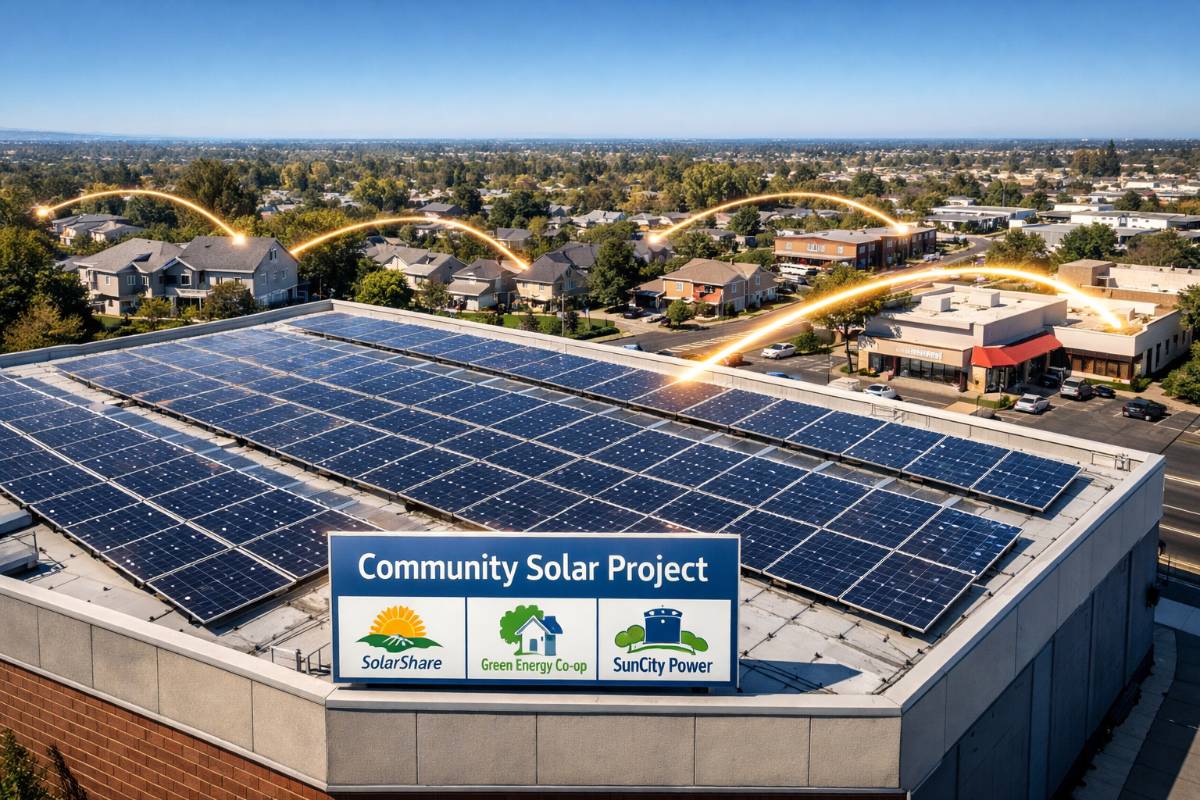
Fourth, if your tenant load is light, you can host community solar, where you are serving offsite subscribers and capturing roof rent or revenue share.
Choosing the Right Monetization Model for Your Property
The right model is less theory based and discovers its answer in your balance sheet and plans.
However, if you have capital and plenty of time to see through your investment (many commercial solar installations have a long hold period), then direct ownership of commercial solar may work well. You capture energy savings, power sales and perhaps renewable energy credits. If you are short of cash in the long run or if you intend to store a sale in five years time, a straightforward roof lease might suit you better.
Consider the age of the roof, its structural capability and your tenants. A completely occupied industrial building with long term tenants can support a larger solar installation and longer agreements. A high-turnover retail centre might sway you towards flexible structures.
Ask yourself: do you want a low-touch source of revenue or are you comfortable managing an on-site energy asset for greater upside?
Roof Rights, Easements, and Conflicts with Existing Leases
Before you are going to talk around solar, pull the leases you already have!
I have seen deals go belly up because an anchor tenant quietly had exclusive rights to the roof for signs, etc. Another time a telecom lease blocked part of the roof and nobody knew about it until later in the process of design. You want to know who controls the roof, what easements control the structure and whether an owner can change the structure with any vetoing from a tenant.
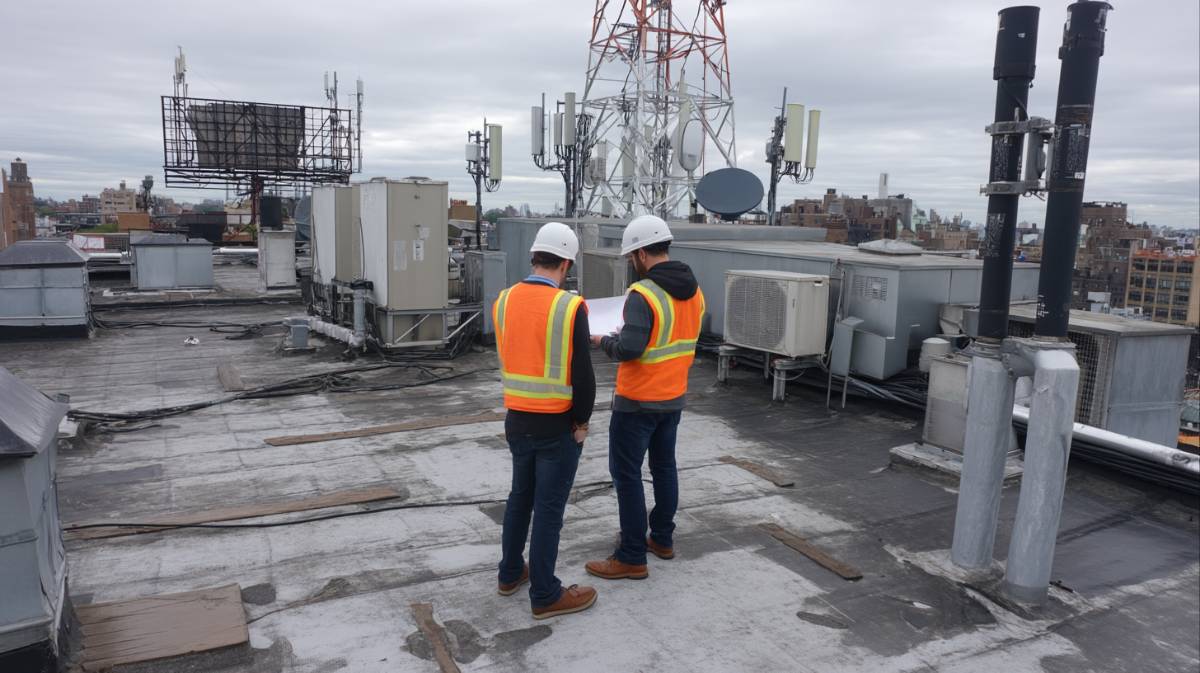
From there, you negotiate clear access for construction and continued maintenance as well as route conduits. Spell out how you deal with noise, dust or short term disruptions.
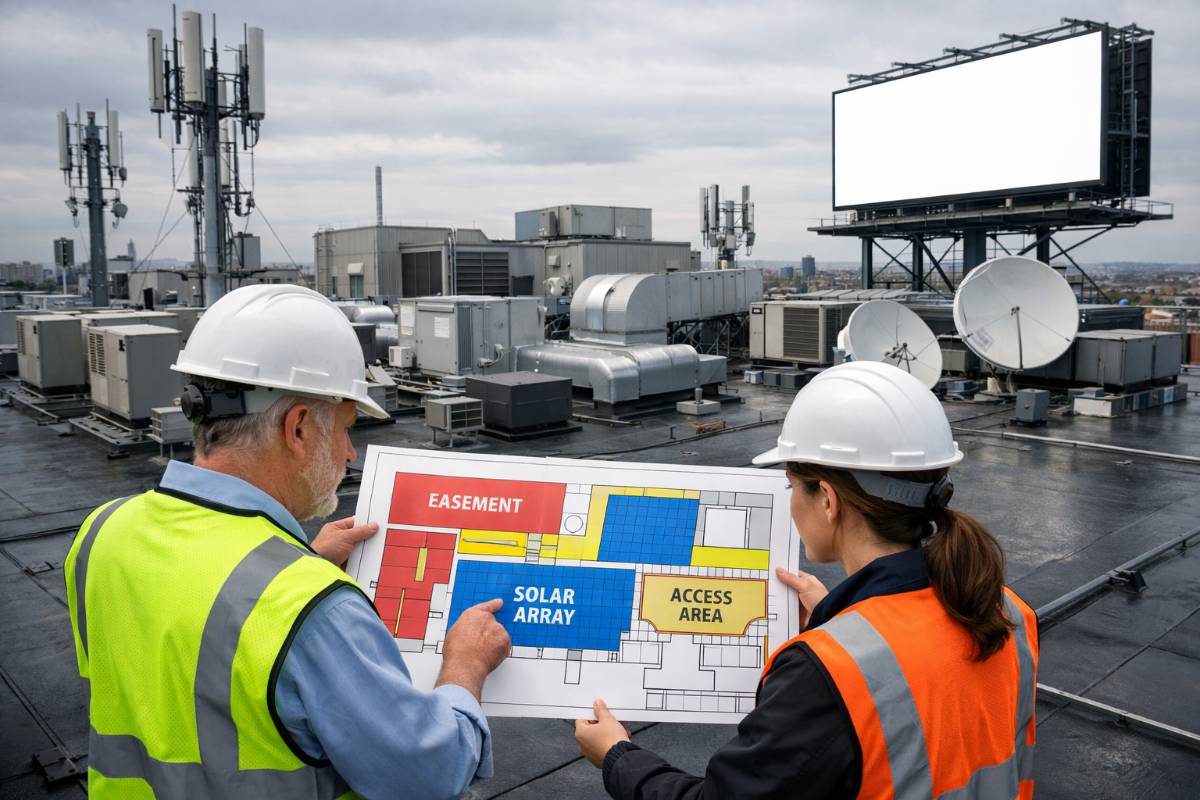
If you already have access to a thermostat (i.e. HVAC), cell towers, or billboards on top, optionally prioritizing uses on the top may need to record new rooftop easements, to make it clear to future buyers and lenders how the top is laid out.
Legal Structures And Important Terms of Contract Landlords Need To Know
Every solar project comes with a stack of paperwork.
At minimum you will see a lease or a license for rooftop space, maybe some PPA (Power Purchase Agreement), and an interconnection agreement with the utility. If the developer brings financing, go for security documents which touch your property.

Pay attention to the terms of length, for renewals and for any triggers for the lease term extension. Look heavily at starting installation pertaining termination rights and default definitions as well as cure renowned periods. Insurance and indemnity words determine who hefts up the bill when something goes wrong.
One landlord I worked with almost lost a refinancing because the solar lease did not allow assignment of the lease to a new lender. We had to get a scramble for amendments. Coordination with your mortgage lender and other lienholders at an early stage prepares you from that headache.
Financial Returns: How to Model Rooftop Solar Revenue
You don't want your people to read only the green headlines.
With a roof lease your income resembles any other line item on your rent. You may notice that these are shown as payments per sq foot or payments per installed kiloWatt. Add up at some markets and that can be tens of thousands more each year on larger roofs.

If the Solar system goes to you if you have to model power sales to tenants, if you have to avoid grid purchases for common areas and any of the solar RECs/incentives. That works its way in terms of net operating income and, eventually, property value. A small increase in NOI can become a meaningful valuation boost in normal cap rates.
I like to usually make two simple pro formas, one for pure roof lease, one for landlord owned solar and then compare the payback on the periods and internal rate of return.
Tax Credits, Incentives & Who Receives Them
Tax treatment can flip project economics.
The federal Investment Tax Credit currently records a substantial percentage of sound eligible solar installation costs for qualifying owners. Some of the projects also qualify for bonus credits based on location or labor rules. If you do not have the tax appetite, there is a chance that a third party owner or tax equity investor may be able to capture those benefits instead.
States and cities sometimes add rebates, performance payments or property tax adjustments for solar energy improvements. In a few cases, there are exemptions to the sale tax from equipment:
I worked with a property owner that compared a simple rooftop solar lease against owning the system with ITC and state incentives. Ownership was more coordinated but provided significantly greater long-term returns.
Risk Management: What Can Go Wrong, and How Do You Protect Yourself
Solar is physical equipment on your roof and so you plan for similar real-life issues.
Construction can damage the membrane if crews are rushing or neglect detail. Room for Room: Supporting your roof's warranty introducing the disadvantage In whatever way you want to do this, a clear roof warranty coordination plan helps: Systems can underperform because of shading, equipment faults and bad maintenance. Access disputes with a tenant or contractor may push out repairs.
You control these risks with performance guaranteed types, insurance requirements and responsibilities clearly for the repairs and replacements. Spell out who fixes what, and when
End-of-term planning is also important. Decide who takes out the system, at whose expense and how they repair the roof. Some landlords prefer to have an option to purchase the system at fair market value if it still has fair life.
Incorporating Rooftop Solar into Tenant Relationships and Leasing Strategy
Handled well, solar becomes part of your leasing story, rather than a supporter of the side deal.
You may advertise lower operating costs as an enticing factor for tenants, particularly those who have ESG reporting requirements. Green lease clauses can co-share costs and benefits of solar energy in an open manner.
I saw one office landlord use discounted solar power to retain an important tenant that was looking for newer space. They re-structured the lease so that the tenant experienced predictable energy costs and a bump from sustainability, while the owner locked in sustainable solar revenue. Vacancy risk was reduced and the story of the building was improved.
Clear communication regarding when work will start, how you will be billed and how much you will save helps to keep everyone on the same track.
Roof Condition, Structural Capacity and Site Due Diligence
Before you sign anything, look hard at the roof itself.
If your roof is nearing the end of life this can create problems in the future by installing a solar system now. Many owners combine re-roofing with solar installation, getting the timelines to coincide and profile maintains its roof warranty.
Structural Engineers should verify load capacity for racking, ballast, and equipment. Some of the older industrial buildings are surprising in how limited they are. In these cases, a smaller solar project or not doing this project at all might be the right call.
You also go for utility interconnection capacity. In some regions, the grid needs to be upgraded, adding either cost or delay. Better to know that upfront.
Working with Developers, EPCs and Legal Counsel
It is your partners that make or break the experience.
Look for a solar developer with a track record on commercial and industrial roofs, not just small residential jobs. Ask about projects on multiple tenancy buildings, how did they handle tenant coordination and how many systems are they still running?
Your real estate and energy counsel should conduct a review of leases, PPAs and financing documents with an eye on your long-term flexibility. I have seen small edits on assignment clauses or default language protect my millions for future value.
When negotiating, choose a few non-negotiables, such as roof warranty protection and lender consent then allow yourself to be flexible on less critical points so that the deal continues to move.
Rooftop Solar, EV Charging, and Future-proof Your Property
Solar does not exist in a vacuum. This is connected to everything else on-site.
If you plan a commercial EV charging installation in your parking areas, a rooftop solar system can offset part of that new load. That combination is often appealing to many tenants and investors who are concerned about clean energy and sustainability.
Some owners include batteries to move actual solar production to peak hours or take part within front-of-the-meter schemes. Others simply design additional conduit and electrical capacity, so that future upgrades are not so difficult.
But I like to think of that as keeping doors open. You may not know what piece of technology you are going to add next, but you do not trap yourself in a box.
Step-by-Step Roadmap to Making Money from Your Roof
Let me present an easy path that you can really follow.
The ones set by the National Renewable Energy Laboratory's Solar PV Project Development Pathway describe a staged process for screening sites, conducting a feasibility study, procurement of contracts, and construction that parallels the roadmap presented in this section. Reviewing their step by step guidance can help landlords benchmark their own process and avoid missing critical technical or financial checks.
First, acquire your leases, loan documents, roof reports, and utility bills. Second, run a quick technical and financial screen through a trusted advisor or solar developer on whether a solar project even makes sense. Third, get a few competing proposals so that you can compare the roof lease, PPA and ownership question options.
Fourth, enlist the help of your lender and key tenant early, and not at the end. Fifth, negotiate core protections, economics and a clear schedule of construction. Sixth, once the solar installation is live, monitor production and utilize the data for leasing decks and investor updates.
If you later add a commercial EV charging installation, you already have the energy story started.
Case Studies: Rooftops: How Landlords Converted Them to Income
A few snapshots from the real world of a conversation.
An industrial owner that had a huge flat roof, signed a rooftop solar lease that would provide due rent per year that could pay a chunk of their property taxes. Their lender enjoyed the steady revenue stream and considered it as stable income.
What an office building owner did was fund their own solar installation, reduce common area electricity charges and then sell any additional electricity to the tenants. Over time, that contributed to bumping NOI and property value.
A retail center blended solar energy with the EV charging. Tenants liked the additional traffic and sustainability angle, and the owner realized both charging revenue and marketing benefits.
Common Mistakes Landlords Make with Rooftop Solar
I have seen bright people fall on the same problems.
They install solar on a roof with only a few years left on it, then have to pay lucrative removal and re-installation charges. They forget to seek consent of the lender only to discover during refinancing or sale.
Some keep tenants in the dark until the construction starts; this creates resistance. Others accept the first proposal that they see, without any testing of market rates for roof rent, or power pricing.
If you eliminate those 4 mistakes you are already ahead of many commercial real estate owners.
Keep reading
More from the blog
Gas Line Installation: What Homeowners Need to Know First
Roof Timeline Guide for Buying an Older Utah Home
How to Choose Windows for a Utah Home With a Mountain View